Chatbots That Actually Work
Most chatbots are frustrating. Here is what separates the useful ones from the "please talk to a human" disasters.
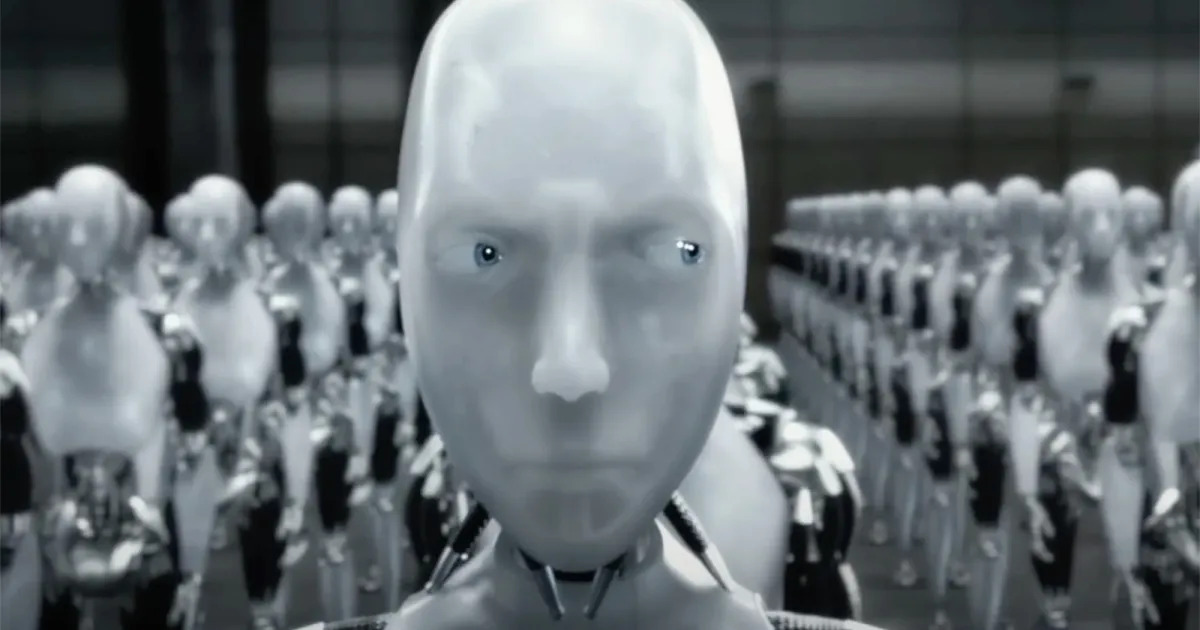
“Please rephrase your question.”
If you’ve ever felt the frustration of a chatbot that doesn’t understand you, you know why most people hate them. But when done right, chatbots handle 60-80% of interactions better than humans—faster, more consistently, and 24/7.
Here’s what separates the good from the useless.
Why Most Chatbots Fail
1. They Try to Do Everything
The biggest mistake is building a chatbot that handles every possible question. This leads to shallow, generic responses that don’t actually help.
A focused chatbot that handles 5 things extremely well beats a broad chatbot that handles 50 things poorly.
2. They Don’t Know When to Quit
Good chatbots know their limits. When a question is outside their scope or too complex, they smoothly hand off to a human—with context. Bad chatbots loop endlessly: “I didn’t understand that. Can you rephrase?“
3. They Sound Like Robots
“Thank you for contacting us. Your query has been received. Please wait for assistance.”
Nobody talks like that. The best chatbots have personality and use natural language. They feel like texting a helpful colleague, not filling out a form.
What Great Chatbots Do
Solve Real Problems
The best chatbots are built around actual user pain points:
- “Where’s my order?”
- “How do I reset my password?”
- “What are your hours?”
- “Can I schedule a demo?”
These are high-volume, low-complexity questions that waste human time to answer manually.
Integrate with Your Systems
A chatbot that says “let me check your order status” and actually pulls the real-time data from your system is 10x more useful than one that just links to a FAQ.
Integration turns chatbots from glorified search boxes into actual assistants.
Learn and Improve
Every conversation is data. Good chatbots track:
- What questions are being asked
- Which responses are marked helpful
- Where users drop off or get frustrated
- What patterns emerge over time
This feedback loop makes them smarter every week.
The AI Advantage
Traditional chatbots use decision trees: if the user says X, respond with Y. They break whenever someone phrases something slightly differently.
Modern AI chatbots understand intent. “Where’s my package?” and “When will my order arrive?” and “I haven’t received my stuff yet” all map to the same action—without needing to program each variation.
This flexibility is the difference between 20% resolution rate and 70%.
When to Build a Chatbot
Chatbots make sense when:
- You have high-volume, repetitive inquiries
- Users expect fast responses (e-commerce, SaaS, services)
- Your team is spending significant time on tier-1 support
- You want to capture leads 24/7
They don’t make sense when every interaction requires deep human judgment or relationship building.
The ROI Case
A typical chatbot project for us costs $3,000-$8,000. If it handles 100 conversations per month that would otherwise take 10 minutes each of human time, you’re saving 16+ hours monthly.
At reasonable support costs, payback is usually 2-3 months.
Plus: faster response times, 24/7 availability, and consistent quality that doesn’t depend on who’s working that day.
Start Focused, Expand Later
Launch with 3-5 use cases. Get those working perfectly. Add more based on what users actually ask for—not what you imagine they might ask.
The best chatbots grow organically from real user needs.